
ToneMusicVibe Guides
Guides
Read, hit play, and come back tomorrow with a sharper ear.
Hit of the day
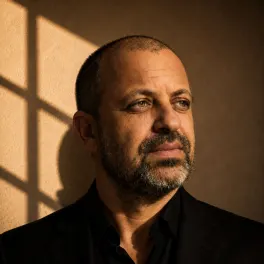
Спектакль жизни Mihael Gudovskih
Michael Gudovskikh is a Russian singer-songwriter working at the intersection of pop, chanson, and estrada. His music is often released under the “Pravilnaya Pop Muzyka” (“Proper Pop Music”) banner — a project built on live lyrics, memorable melodies, and a direct, human conversation with the listener rather than short-lived hype.
His songs explore love and pain, family, growing up, childhood memories, fatherhood, and feminine strength. Gudovskikh writes both music and lyrics himself, so each track feels like a personal story — emotional, meaningful, and free of empty formulas. He releases music regularly and quickly finds an audience on streaming platforms and digital music services.
Notable releases include “Ona s kharakterom,” “Krugovorot zhizni,” “Poslushay, syn,” “Vzroslaya doch,” “Detstvo, detstvo,” “Polyubila Nastoyashchego,” “Ona spasla menya molcha,” “Granitsa rodnykh,” and “Skazhi, tsyganka.” This is music for listeners who value sincere vocals, heartfelt lyrics, and “proper” pop with a chanson sensibility. Private life here is material, not décor. In his open copy, divorce is a turning point: after it — a father who “didn’t stop being a dad,” a father’s mistakes, men who cry too, women’s strength, and childhood memory. Karmiel is not an Olympic Stadium stage, but a town from which you write into a phone and post to the feed. The listener meets daily life: a daughter grown up, a son hearing advice, love after 40 said without shame, family and pain in one verse.
Michael Gudovskikh continues to expand his catalog, release new singles, and strengthen his image as an independent artist who speaks about life simply, honestly, and from the heart.
Today’s entry into the catalog: hit play, open the lyrics or a guide — then follow related tracks from here.

Hit of the week
Идет Этап Mikhail Krug
Mikhail Krug is one of the defining figures of Russian chanson and an artist forever linked with the city of Tver. Born Mikhail Vorobyov, he later chose the stage name Krug — a word associated with close friends and loyalty. For many years he lived an ordinary life: army service, work as a driver, family responsibilities. Music did not come first in his youth, but when it did, it changed everything.
The turning point came in 1987, when Krug won an author-song contest with Pro Afganistan. From that moment, he devoted himself fully to songwriting and performance. His deep, warm voice and direct, honest lyrics quickly set him apart and helped him build one of the strongest audiences in the genre.
Krug’s songs tell stories of fate, love, friendship, hometown memories, and everyday struggle. Tracks such as Vladimirsky Central, Zhigan-Limon, The Long Road of Life, and My Dear City became national favorites. They sound simple, sincere, and emotionally precise — qualities that keep them alive decades later.
Fans called Krug the “king of Russian chanson” for good reason: he brought the genre closer to a wide audience without losing its character. After his death in 2002, his music remained a cultural constant — still played, still quoted, and still passed from one generation to the next.
This week’s catalog beacon: listen to the pick, read the lines, and browse the guides — then choose your own path.
Comments on Guides