
ToneMusicVibe Guides
Guides
Read, hit play, and come back tomorrow with a sharper ear.

Ilya Podstrelov was born on 17 June 1980 in Vorkuta: snow in June, piano school, a college he did not finish because of the move. In 1996 the family settled in Hamburg on the Jewish line — his father feared the Russian army; in Germany they were exempt. A sixteen-year-old IT student listened to Sektor Gaza and Krasnaya Plesen and glued together what he later called childish nonsense verses. Vladimir Panchenko arrived from Tyulkuibas, Kazakhstan, in 1995: school choir, a pigeon loft with his father, four years of acrobatics in Hamburg, then military service and German citizenship only. A mutual friend, Denis Fleischhauer, introduced them at college for IT administrators. Ilya already had “Voina” and “Odinokaya zvezda”; Volodya sang with a guitar, and Ilya’s aunt, a choir director, drilled recitative syllable by syllable until it sat on autopilot. They recorded at home into a computer mic, skipping school and work, handing copies to friends. The domain faktor was taken, so they added a 2: two people and a claim to become an “important factor.” They almost called themselves the Voice of Düsseldorf.
The first album V nashem stile (2002) and My — falshivye MC (2003) spread through Russian-speaking Germany; DJ Vital (Vitaliy Moser) put them in clubs for two or three sets a night. In December 2003 in Frankfurt, Sergey Zhukov heard a draft of “Krasavitsa” with swearing in the second verse and asked them to clean it for radio. Ilya spent a year afraid to fly to Moscow. When they finally came, Zhukov shot the clip, took their “Prestuplenie” for his own Territory of Tenderness, and in 2005 “Krasavitsa” smashed station refusals, landed on Russkoe Radio and topped Zolotoy Grammofon. In one year: Russian reissues, Istorii iz zhizni in Extra Light and Super Hard sleeves, an interactive “Otchim” video with Maxim Konovalov and three endings on Muz-TV, four gold discs, a hundred gigs in four months, seven thousand at St Petersburg’s Ice Palace. Rekord-2006, Immunitet podorvan after stolen studio sessions, the parody “Khochu na TV,” a cue for the series Antidur. Yard pop-rap they called hooligan: “Shalava,” “Vesna,” “Klass, detka, klass,” “Shtany,” a rewritten Vizbor “Ty u menya odna,” “Armiya” on a Status Quo hook.
Ilya Podstrelov was born on 17 June 1980 in Vorkuta: snow in June, piano school, a college he did not finish because of the move. In 1996 the family settled in Hamburg on the Jewish line — his father feared the Russian army; in Germany they were exempt. A sixteen-year-old IT student listened to Sektor Gaza and Krasnaya Plesen and glued together what he later called childish nonsense verses. Vladimir Panchenko arrived from Tyulkuibas, Kazakhstan, in 1995: school choir, a pigeon loft with his father, four years of acrobatics in Hamburg, then military service and German citizenship only. A mutual friend, Denis Fleischhauer, introduced them at college for IT administrators. Ilya already had “Voina” and “Odinokaya zvezda”; Volodya sang with a guitar, and Ilya’s aunt, a choir director, drilled recitative syllable by syllable until it sat on autopilot. They recorded at home into a computer mic, skipping school and work, handing copies to friends. The domain faktor was taken, so they added a 2: two people and a claim to become an “important factor.” They almost called themselves the Voice of Düsseldorf.
The first album V nashem stile (2002) and My — falshivye MC (2003) spread through Russian-speaking Germany; DJ Vital (Vitaliy Moser) put them in clubs for two or three sets a night. In December 2003 in Frankfurt, Sergey Zhukov heard a draft of “Krasavitsa” with swearing in the second verse and asked them to clean it for radio. Ilya spent a year afraid to fly to Moscow. When they finally came, Zhukov shot the clip, took their “Prestuplenie” for his own Territory of Tenderness, and in 2005 “Krasavitsa” smashed station refusals, landed on Russkoe Radio and topped Zolotoy Grammofon. In one year: Russian reissues, Istorii iz zhizni in Extra Light and Super Hard sleeves, an interactive “Otchim” video with Maxim Konovalov and three endings on Muz-TV, four gold discs, a hundred gigs in four months, seven thousand at St Petersburg’s Ice Palace. Rekord-2006, Immunitet podorvan after stolen studio sessions, the parody “Khochu na TV,” a cue for the series Antidur. Yard pop-rap they called hooligan: “Shalava,” “Vesna,” “Klass, detka, klass,” “Shtany,” a rewritten Vizbor “Ty u menya odna,” “Armiya” on a Status Quo hook.
In 2008 the Zhukov contract expired and the name stayed with the producers — the duo became Ilya i Vladi, released Raritet and the clip “Postarayus zabyt” (Volodya later called it his first). By year’s end Panchenko registered Faktor-2 in Germany. Zhukov took “Zvyozdy padayut” and “Odinokaya zvezda”; the group cut “Ogneopasna,” “Takie kak ya” and a cue for Realnye patsany. A parallel business — karaoke and loans — broke the friendship. In August 2012 Ilya left for Russia to escape debts and court; Vladimir stayed to face the creditor. Since then the brand is split: in Russia, Podstrelov with Andrey Kamaev from a Serpukhov studio (banquets, halls from about 2015); in Germany, brothers Vladimir and Denis Panchenko (BROS, albums Brüder and BRA4OS). Ilya says he wrote almost everything and Volodya should stay out of Russia; a 2022 court did not give him sole authorship. Panchenko tours the RF on a work visa and in 2026 still sings “Krasavitsa” in Sakhalin and Komsomolsk. Death rumours are fake.
Private life ran beside the territorial split. Ilya met Tatyana when the group needed a female voice; the song failed, the marriage held, and they named their daughter Linda after the singer he had once worshipped. Second marriage: Irina, son Savely (3 November 2019); he says the wives dislike the touring life and he often refuses weekday gigs for the family. Kamaev is on his fourth marriage. Vladimir’s wife is Yulia; they have a son, Arseny, and a daughter, Alexandra, and a home in Germany. For a time he posted open love notes, then went quiet. Two lineups sing the same yards, the same “krasavitsa” and “vesna,” and the room still joins in — as in the 2000s, when parents winced and cassettes were copied until they wore through.
Today’s entry into the catalog: hit play, open the lyrics or a guide — then follow related tracks from here.
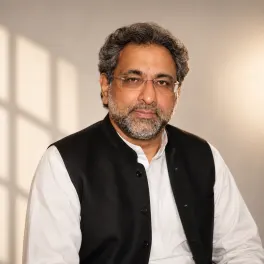
KHAQAN is a Russian-language street hip-hop artist; on platforms and Shazam the same catalog is often linked to the name Chingiz Valinurov. The alias comes from the Turkic “khagan” — ruler of rulers: a hard tone, neighborhood myth, the “mama” motif and a criminal code without gloss.
The breakthrough was “Mama I’m a Criminal” (2019): an underground hook that went viral. Then came “Ataman,” “Улыбку не губи”; in 2024–2026 a run of singles — “Слово пацана,” “БАСОТА,” “ПРОЧИТАЙ МОЛИТВУ МА,” “Банда,” “Падали,” “Район,” “Бей как Тайсон,” the collab “хватит” with DJEKI, and “Время идти.”
KHAQAN is a Russian-language street hip-hop artist; on platforms and Shazam the same catalog is often linked to the name Chingiz Valinurov. The alias comes from the Turkic “khagan” — ruler of rulers: a hard tone, neighborhood myth, the “mama” motif and a criminal code without gloss.
The breakthrough was “Mama I’m a Criminal” (2019): an underground hook that went viral. Then came “Ataman,” “Улыбку не губи”; in 2024–2026 a run of singles — “Слово пацана,” “БАСОТА,” “ПРОЧИТАЙ МОЛИТВУ МА,” “Банда,” “Падали,” “Район,” “Бей как Тайсон,” the collab “хватит” with DJEKI, and “Время идти.”
The sound is heavy beat, plain speech, street melodrama: brotherhood code, the block, prayer and punch. Not glossy pop-rap — a track you recognize from one refrain.
Start with “Mama I’m a Criminal,” “ПРОЧИТАЙ МОЛИТВУ МА,” and “Падали”; then “Банда” and “Район.”
This week’s catalog beacon: listen to the pick, read the lines, and browse the guides — then choose your own path.
Comments on Guides