
ToneMusicVibe — Loading…

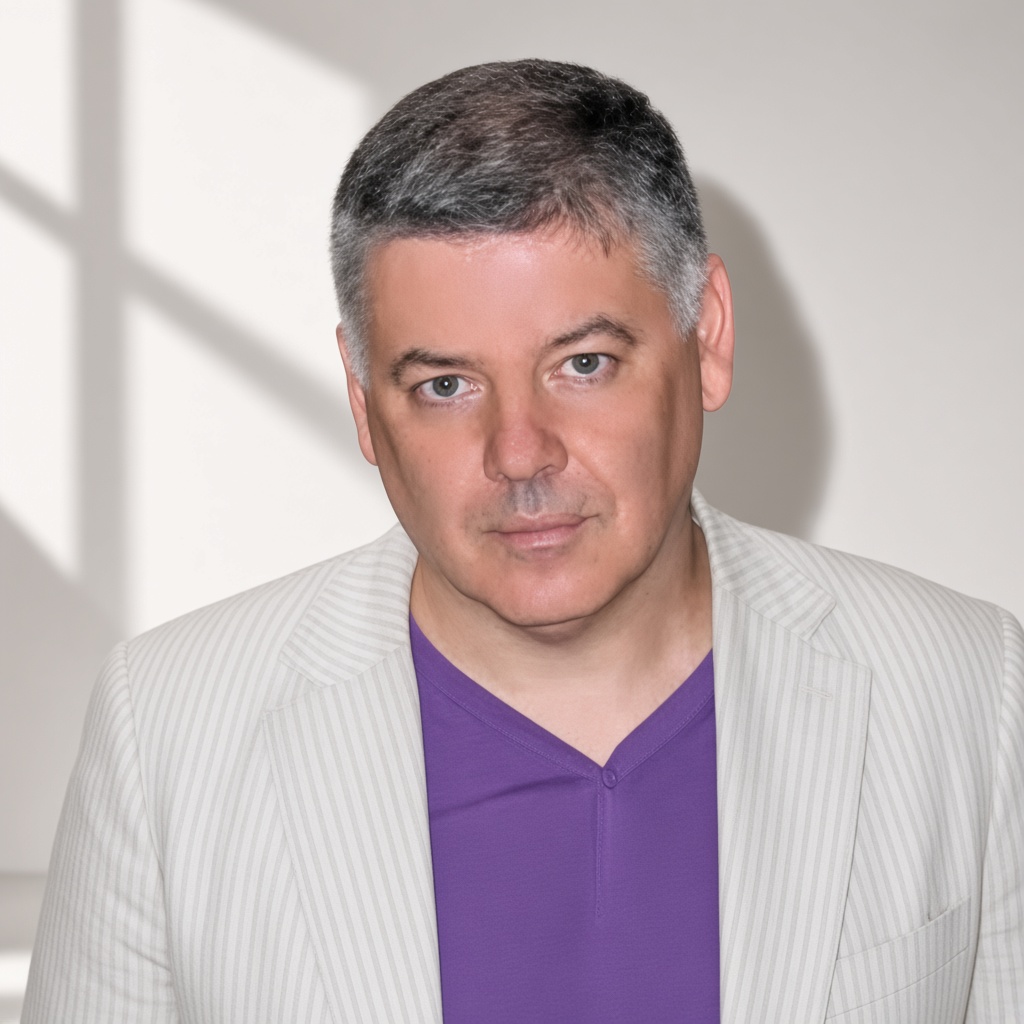
Vadym Kuzema

Back to home

10 tracks 00:34:48

#AI Music #Cool

About Vadym Kuzema

Vadim Yuryevich Kuzema was born on 30 September 1962 in a small settlement in the north of Kazakhstan. His mother, Maria Junker, was a Volga German. At the start of the war the family was sent to Siberia, and from there they reached Kazakhstan. There Maria met Yury Kuzema, a Ukrainian construction engineer. Soon after the son was born they moved to Lysychansk, in Luhansk region. Vadim grew up in a mining town where districts fought districts, with rods and brass knuckles. He ran fast, and after the fights the police never caught him. Before the army he worked at the Lysychansk glass factory, drawing sheet glass. From 1980 to 1982 he served in an airborne regiment in Ryazan, and after demobilization he opened a parachute school of his own. His parents gave him a guitar for his birthday. He learned the first chords in the yard, and the first song he picked out was a song by Vysotsky.

After the army he entered the Donetsk Polytechnic, finished with a red diploma and played badminton in earnest. Vitaly Perepelitsa played in the polytechnic’s KVN team too, and the two of them would later make songs together for many years. Kuzema wanted to stay for graduate school and work in programming, but he went to the Stakhanov mine as a mining foreman, because the pay looked better. He would later call that choice a mistake. The work was dangerous and dull, and it gave him experience. In 1989 he joined the strike committee, was second secretary of the Krasnoarmeysk city Komsomol and thought about politics, then chose business. He built the television studio 13th Channel, was its director and read the news. In the early nineties he opened one of the first banks in Donetsk region, went from branch director to chairman of the board and of the shareholders’ council, and moved to Kyiv. Three crises took from him, in his own words, a pile of money and of friends. In 1989 he married for the first time, and a son and a daughter were born. In the mid-nineties he married Tatyana, and she also bore him a son and a daughter. By 1997 he already had German citizenship through his mother. He left for Germany and started from zero: the language, a job, a foreign city. He is divorced now. All four children live in Berlin. After the parting he and Tatyana wrote the novels War of Nerves, The Price of Curiosity, and the love story Four Corners on Green Street.

He began writing songs about emigrants already in Germany. In 1999, at Garik Krichevsky’s studio in Lviv, he recorded Ost-West Emigrant. In 2000 the first record came out, Charter to Hanover, eleven songs of his own. It stands first on his list, 4 minutes 57 seconds. On the same record sit Kurfürstendamm, 3 minutes 27 seconds, Reichstag, 2 minutes 26 seconds, and I Want to Go Home. Then almost every year a new disc: Berlin Slav Women, The Flower Seller, The Resettlers, The Restaurant Musician, The Fifth Column, Give Me My Freedom, What It Costs to Leave Home, Russian Weddings in Germany, Madam Foreign Land, Lieutenants of Love, A Kindred Soul, The Prostitute and the Moon. He calls the first albums almost entirely his own. Later he began to write down what he saw in his friends. Resettlers played Russian Weddings in Germany at their own weddings. In 2006 in Moscow he received Chanson of the Year for the Charter and for those weddings. From the middle of the 2000s the emigration songs grew fewer, the lyric ones grew, and he wrote some of them in a woman’s voice. Natasha Maas, Lora Grig and Yulia Deppe sang them. He kept finishing the charter story for a long time: part two, Six Years Later, part three in 2019, Twenty Years Have Passed, part four in July 2021, The End of the Story, and in August 2022 he gathered all four into one story of two emigrants.

From Berlin he is still writing. In 2021 came A Miner’s Saga, a memory of that dangerous work. There is also My Wife Is My Eighth Wonder of the World, and late songs about age: We Are Growing Old, How I Want to Take and Rise Again, An Emigrant’s Backpack. On 2 August 2026 he gathered an album of ten songs from this. On 11 September, Selected Songs, ten again. On 16 September, apart from the rest, Po-Kva-Kva, sixteen poems for children. On 12 November, already this month, the single The Leaves Are Falling. The shelf holds more than a hundred releases, and the year is not over. He says that what he values in people is the ability to find one’s place. His own place turned out to be neither the mine nor the bank, but the song about a plane that takes you from home and still does not let you go.

Dates
23 September — 22 October
Element
Air
Ruling planet
Venus

General overview

Libra arrives with balance on its mind — graceful, relational, and tuned to harmony in every room it enters. These are people who feel atmosphere before agenda, who notice when a playlist shifts the mood, and who often become the bridge between opposing tastes in any creative circle. On ToneMusicVibe, Libra often shows up as the listener who values aesthetics, fairness, and the social magic of shared music.

Ruled by Venus, Libra seeks beauty and connection in equal measure. They weigh options carefully, sometimes too carefully, because peace matters deeply to them. Behind the charm is a cardinal air sign with strong convictions about justice, reciprocity, and the kind of world worth living in together.

Character

Libra navigates life through relationships. They mediate, collaborate, and refine — always aware of how words land and how spaces feel. Diplomacy is their gift, though indecision can follow when every side seems valid.

They thrive in elegant, cooperative environments. Conflict without resolution drains them quickly. Give Libra mutual respect and room to create beauty, and they become the person who makes groups function better than any individual could alone.

Strengths

Charm, fairness, and social intelligence define Libra at their best. They listen, negotiate, and find compromise without losing dignity — a rare skill in heated moments.

Their aesthetic sense is sharp. Libra often excels at styling, curating, hosting, and any work where taste, empathy, and presentation combine into something people want to be part of.

Weaknesses

People-pleasing can replace authenticity. Libra may avoid hard truths to keep peace, then resent the imbalance they helped create.

Indecision and dependency on external validation are common traps. Learning to choose without unanimous approval — and to tolerate temporary discomfort for long-term honesty — is central to their growth.

Love and relationships

In love, Libra is romantic, attentive, and partnership-oriented. They want chemistry plus cooperation — a relationship that looks and feels beautiful, not only exciting for a season.

Fairness matters deeply. Libra needs reciprocity in effort, affection, and respect. One-sided dynamics erode their warmth quickly, even when attraction remains.

Sex and intimacy

Intimacy for Libra is aesthetic and emotional. Atmosphere, mutual desire, and the feeling of being chosen with intention matter as much as physical connection.

They respond to partners who are considerate and expressive. Crudeness without warmth or selfishness without balance shuts them down — harmony in bed reflects harmony elsewhere.

Family and marriage

In marriage, Libra invests in harmony at home — shared decisions, social traditions, and a household that feels welcoming rather than combative.

They can overcompromise to avoid conflict, then feel unseen. Family life works best when partners discuss imbalance early and treat peace as active maintenance, not silent sacrifice.

As parents

A Libra parent teaches manners, empathy, and the value of cooperation. They often create a home where children feel heard and aesthetics matter — art on walls, music in rooms, kindness at table.

The challenge is enforcing boundaries without guilt. Kids need clear limits, not only charm — especially when Libra parents prefer smoothing tension over naming it directly.

Friendship

Libra friendships are social, loyal, and often centered on shared culture — concerts, dinners, fashion, debates about art, and long conversations over wine or coffee.

They dislike cruelty and public humiliation among friends. Fairness, reciprocity, and the ability to repair after disagreement keep Libra close for years.

Hobbies and interests

Fashion, interior design, photography, dance, painting, social clubs, and collaborative playlists suit Libra. They love hobbies that combine beauty with connection.

Many Libras also enjoy live music and cultural events where atmosphere matters — the right venue, the right crowd, the right mood stitched together into one memorable evening.

Career and profession

Libra excels in law, diplomacy, design, fashion, public relations, counseling, event planning, and any field where negotiation and taste are central.

Hostile, ugly, or blatantly unfair workplaces drain them. They need collegial culture, aesthetic pride in their output, and leaders who value ethics as much as outcomes.

Health

Astrologers link Libra to the kidneys, lower back, and skin — areas where stress from unresolved conflict or imbalance may appear. They may neglect themselves while keeping others comfortable.

Hydration, moderate sweets, gentle movement like Pilates or dance, and honest conversations about stress help Libra stay balanced. Beauty routines often double as self-care rituals.

Compatibility

Gemini and Aquarius often match Libra's social and intellectual rhythm — air signs share a love of ideas and connection. Leo and Sagittarius can add warmth and adventure.

Cancer and Capricorn may need more emotional directness or structure than Libra naturally offers. With mutual effort, those pairings can blend charm with depth or stability.

The Libra man

The Libra man courts with grace and attention. He notices details, values partnership, and prefers relationships that feel refined rather than chaotic.

He avoids unnecessary conflict but is not passive when justice is at stake. A partner who is fair, affectionate, and socially compatible keeps his heart engaged long term.

The Libra woman

The Libra woman combines elegance with strong relational instincts. She curates her life carefully and expects reciprocity in love, friendship, and work.

In relationships she is romantic and loyal, but disrespect or chronic imbalance ends the story. She wants a partner who matches effort — not someone who enjoys her warmth without returning it.

Famous people

Well-known Libra include Will Smith, Eminem, Bruno Mars, Gwen Stefani, John Lennon, Snoop Dogg, Kim Kardashian, Cardi B, Usher, and Gwyneth Paltrow.

What brings luck

Libra finds luck when they choose collaboration over isolation — the right partner, the fair deal, the creative alliance built on mutual respect. Soft pinks, blues, and balanced design often elevate their mood before important decisions.

Friday and dates linked to the number 6 are traditionally favorable. New chapters launch best when relationships feel aligned first — harmony at home and work opens doors elsewhere.

What they fear

Libra fears conflict that destroys connection — ugly breakups, public shame, irreparable rifts. Being alone after investing in partnership can feel especially disorienting.

They also dread unfairness and being seen as shallow. That fear can push them to over-explain or over-please instead of stating what they actually need.

What they dislike

Rudeness, bullying, and bad taste worn as pride irritate Libra quickly. They have little patience for people who enjoy cruelty or chaos in social settings.

They also dislike one-sided relationships where they always mediate and never receive. For Libra, respect means balance — not endless accommodation labeled as love.

Food preferences

Libra enjoys refined flavors and beautiful presentation: balanced plates, fine desserts, shared appetizers, and restaurants where ambiance matches the menu.

They often prefer dining with company over eating alone. Food is social art — the pairing, the setting, the conversation matter as much as the dish itself.

Ideal vacation

Their perfect trip blends culture and comfort: historic cities, art museums, wine regions, stylish hotels, and evenings with live music in elegant venues.

Rough travel with no charm rarely appeals. Libra wants beauty they can share — photos worth posting, meals worth remembering, and a partner or friends who appreciate the atmosphere as much as the itinerary.

Comments